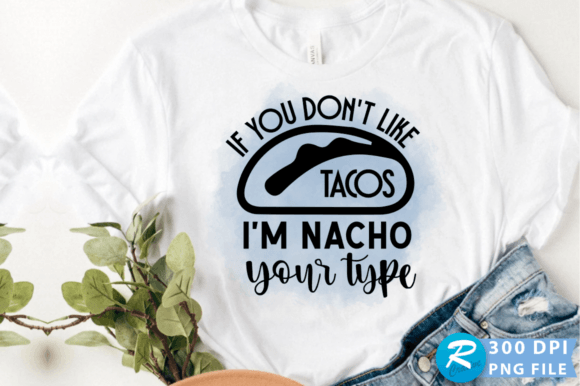
If You Don't Like Tacos I'm Nacho Your Type
As a designer who has spent years turning digital concepts into tangible stitched goods, I approach every new asset with a critical eye. When I first encountered the If You Don't Like Tacos I'm Nacho Your Type design, my immediate reaction was a mix of amusement and professional curiosity. In the world of Crafts and Graphics, pun-based humor is a staple, but execution is everything. This specific piece relies heavily on wordplay to deliver its message, making it a prime candidate for custom apparel or boutique merchandise, provided the translation from screen to fabric is handled correctly.
First Impressions: Visual Personality and Mood
The initial visual impact of this design is bold and conversational. The layout suggests a playful energy that resonates well with casual wear and gift items. Unlike intricate floral patterns that require delicate handling, this text-heavy graphic demands clarity above all else. The mood is lighthearted and inviting, perfect for a summer festival shirt or a fun kitchen apron. However, as an experienced reviewer, I immediately began assessing how the typography would hold up under the stress of stitching. Text designs often suffer when converted into a machine embroidery design without careful digitization, leading to muddy letters or uneven spacing.
When viewing the PNG file 300dpi with Transparent background provided in the download, the sharpness of the lines is evident on a high-resolution monitor. Yet, we must remember the disclaimer: different computer monitors will display color differently. This is a crucial reminder for any Etsy seller or small shop product creator. What looks vibrant on your screen might appear duller or slightly shifted once printed on a mockup or stitched onto fabric. The transparency of the background is a significant advantage, allowing you to layer this over various textures without a distracting white box, which is essential for maintaining a professional look in digital product previews.
Real-World Application: From Screen to Stitch
Let's imagine a real-life scenario where I am preparing a batch of custom embroidered tote bags for a local craft fair. I decide to use If You Don't Like Tacos I'm Nacho Your Type as the central motif. Tote bags are a popular canvas because they offer a flat surface, but the fabric can be tricky. If I were to stitch this directly onto a thin cotton canvas without proper support, the tension could warp the letters, ruining the readability of the pun.
In this context, the design functions best as a statement piece on heavier materials like denim jackets, sweatshirts, or thick canvas totes. For a sweatshirt embroidery project, the soft texture of the fleece requires a different approach than smooth cotton. The text needs enough stitch density to stand out against the pile of the fabric, but not so much that it creates a stiff, uncomfortable patch on the garment. I would likely opt for a combination of fill stitch for the main body of the letters and perhaps a clean running stitch or fine satin stitch border to define the edges. This ensures the phrase remains legible even from a distance, which is vital for customer engagement at a market stall.
Consider also the potential for embroidered patches. Converting this design into a patch allows for greater versatility. You can sew it onto hats, backpacks, or even baby clothes (if the font size is adjusted appropriately). Patches allow you to control the backing and stabilizer more precisely, ensuring the final product feels durable. For a holiday gift, such as a personalized pillow cover or a tea towel, the whimsical nature of the taco pun adds a personal touch that generic store-bought items lack. It transforms a simple household item into a conversation starter.
Navigating Challenges: Fabric, Size, and Density
While the concept is strong, there are specific areas where caution is required. The primary concern with any text-based embroidery file is the hoop size. If the design is too large for your machine's hoop, you risk misalignment during stitching. Conversely, if you attempt to shrink it too much for a small cap or a baby hat, the lettering may become illegible. Tiny details in the font can get lost in the thread, turning crisp letters into a fuzzy blob.
Fabric texture plays a massive role here. On textured fabrics like corduroy or heavy wool, the needle has to work harder to penetrate, which can distort the shape of the letters. Similarly, on stretchy fabrics like jersey knit, the material can pull away from the needle during stitching, causing puckering. In these cases, using a high-quality stabilizer is non-negotiable. A cut-away stabilizer is often better for stretchy garments, while a tear-away might suffice for stable cottons. Always test the design on scrap fabric first to check for tension issues and ensure the thread colors provide sufficient contrast against the background material.
Dark fabrics present another challenge. While the transparent PNG makes it easy to visualize placement, stitching light-colored thread on dark fabric requires careful planning to avoid showing through or looking washed out. You might need to add a backing layer or adjust the stitch count to ensure opacity. Additionally, products that undergo frequent washing, like kitchen towels or aprons, need robust stitching. If the stitch density is too low, the design may fray over time; too high, and the fabric becomes rigid and prone to cracking.
Practical Designer Notes for Success
Before committing to a full production run of If You Don't Like Tacos I'm Nacho Your Type items, I recommend a rigorous testing phase. Start by creating a printable mockup to see how the scale looks in black and white. This helps you identify any areas where the detail might be too fine. Then, move to the machine. Stitch a sample on the exact fabric you intend to use, checking the alignment and the feel of the finished product.
For those running a craft business or selling commercial embroidery assets, licensing is paramount. Ensure you have the rights to sell finished goods featuring this design. The description mentions receiving a zip file, but always verify the license terms regarding commercial use. Are you allowed to sell the finished product? Can you sell the digital embroidery file itself? Clarity here protects your brand and prevents legal headaches down the road.
Finally, consider the overall aesthetic consistency of your brand. Does this playful design fit your portfolio? If you specialize in elegant, minimalist decor, this might clash. But if your niche is fun, quirky, and personalized gifts, it fits perfectly. By carefully selecting the right application—whether it's a tote bag design, a custom apparel piece, or a personalized gift—you can turn this simple pun into a high-value item that customers love. The key lies in the execution: respecting the limitations of the medium while maximizing the charm of the message.