Deck the Halls and Not Your SVG Design Review
As a designer who has spent years navigating the gap between digital mockups and physical stitched goods, I approach every new asset with a critical eye. When I first encountered Deck the Halls and Not Your SVG Design, my immediate thought was about how this specific graphic translates from a screen to a hoop. In the world of Crafts, the difference between a file that looks good on a tablet and one that stitches beautifully on a sweatshirt is often the difference between a five-star Etsy review and a return request. This piece is marketed as a Graphics asset for sweet t-shirts and gifts, but does it hold up under the scrutiny of a professional embroidery machine?
The First Impression: Mood and Visual Personality
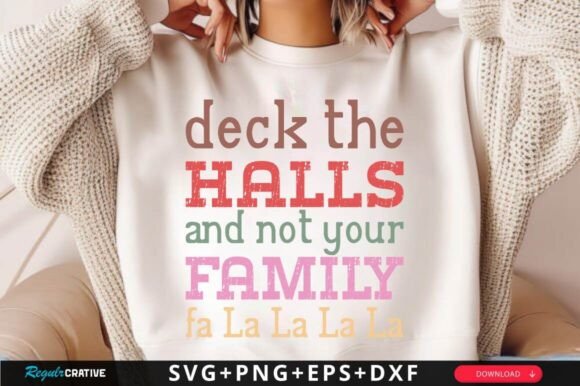
Opening the preview for Deck the Halls and Not Your SVG Design, the visual personality immediately suggests a festive, cozy atmosphere. It carries the warmth of traditional holiday decor without feeling cluttered. For an embroidery project, clarity is king. The layout appears balanced, which is crucial when you are converting a vector or raster image into a machine embroidery design. The shapes seem defined enough to handle the transition from flat pixels to textured thread, a common pitfall where fine lines disappear or merge during stitching.
When I consider the mood it creates, it feels like a design meant for personal connection rather than corporate branding. It screams "handmade gift" or "boutique item." If you are an Etsy seller looking to expand your holiday catalog, this type of aesthetic resonates well with customers seeking unique, personalized items. However, the true test lies not in the screenshot, but in how the stitch density behaves when the needle starts moving.
A Real-World Scenario: The Custom Holiday Sweatshirt
Let’s put Deck the Halls and Not Your SVG Design through a practical pacesetting scenario. Imagine you are preparing a limited run of custom hoodies for a local craft fair. You have chosen a soft, heather-grey fleece. This fabric is popular because it is comfortable, but it can be tricky for embroidery due to its texture and tendency to pucker if the stabilizer isn't perfect.
As I visualize placing this design on the chest of that sweatshirt, I am evaluating the interplay between the fill stitch areas and the background fabric. A grey hoodie offers a neutral canvas, but if the design relies heavily on light thread colors, the contrast might suffer. Conversely, if the thread colors are deep reds and greens, they should pop beautifully against the grey. The key here is ensuring that the hoop size accommodates the full width of the graphic without distorting the edges. If the design is too wide for a 5x7 hoop, you risk having to re-hoop mid-stitch, which can lead to registration errors that ruin the finished product.
For a sweatshirt embroidery project, the durability of the design matters. Customers will wash these items. If the Deck the Halls and Not Your SVG Design features tiny, isolated elements, those could snag on other clothes in the washer or fray over time. A robust design uses thicker satin borders or dense fills to anchor the details. In this case, the design seems to favor bold strokes, which is promising for longevity on heavy apparel.
Navigating Fabric Challenges and Placement
While the design shines on standard cotton tees, we must discuss where it needs careful handling. Embroidery is unforgiving on certain materials. If you attempt to use this embroidery file on thin, stretchy fabrics like jersey knit without proper backing, the fabric may gather around the stitches, creating a wavy, unprofessional look. Similarly, on dark fabrics, you need to ensure the design includes an underlay layer to prevent the black or navy thread of the shirt from showing through lighter decorative stitches.
Consider the application on a tote bag design. Canvas is sturdy, but it has a rougher weave. A high-density area in Deck the Halls and Not Your SVG Design might feel stiff on a tote bag strap, potentially causing discomfort for the user. It is best suited for the front panel of the bag rather than structural elements. Furthermore, if you are considering this for a cap embroidery project, the curved surface of a hat can distort straight lines and text. Before committing to a full production run, always test the design on a scrap piece of the actual material you intend to sell.
Small Details and Tiny Lettering
One of the most common issues in digital embroidery files is the inclusion of tiny lettering or intricate corners. If Deck the Halls and Not Your SVG Design contains small script or delicate holly leaves, these areas require a very sharp needle and precise tension settings. On a baby embroidery item, such as a onesie, safety and comfort are paramount. Rough, dense stitching can irritate a baby's skin. Always inspect the back of the test stitch; if there are loose threads or excessive jump stitches, the design needs digitizing adjustments before it touches a garment meant for infants.
Enhancing Product Value and Brand Trust
For the small business owner or creative entrepreneur, the quality of your design assets directly impacts customer trust. A well-executed personalized gift using this design can elevate your brand from a hobbyist to a professional decorator. When a customer receives a finished product where the stitching is crisp, the colors are vibrant, and the placement is centered, they perceive higher value. This perception allows you to charge a premium price point.
However, consistency is vital. If you use Deck the Halls and Not Your SVG Design across multiple products—say, a pillow cover, a kitchen towel, and a t-shirt—the execution must remain uniform. Variations in stitch density or color matching between batches can confuse your brand identity. Using this design as a core part of your commercial embroidery line requires a strict workflow: test on scrap fabric, verify thread counts, and approve a master sample before producing inventory.
Practical Designer Notes for Success
To get the most out of Deck the Halls and Not Your SVG Design, follow these practical steps:
- Test on Scrap Fabric First: Never skip this step. Stitch the design on the exact fabric and stabilizer combination you plan to use for your final product.
- Check Thread Color Contrast: Ensure the selected palette stands out against your base material. What looks good on a white screen may vanish on a charcoal tee.
- Review Stitch Density: Look for areas that might be too tight (causing puckering) or too loose (showing the fabric underneath).
- Confirm Hoop Size: Verify that the design fits comfortably within your machine's maximum hoop dimensions without distortion.
- Inspect Small Details: Zoom in on the preview to check for potential breakage points in thin lines or tiny letters.
- Use Proper Stabilizer: Invest in high-quality tear-away or cut-away stabilizers depending on the fabric weight. This is non-negotiable for a clean finish.
- Licensing Check: Before selling any finished product or offering this as a digital product yourself, confirm the license terms. Ensure you are allowed to use it for commercial purposes.
In conclusion, Deck the Halls and Not Your SVG Design presents a strong opportunity for designers looking to add festive flair to their portfolio. Its suitability for custom apparel, holiday gifts, and boutique merchandise makes it a versatile asset. However, its success relies entirely on your technical execution. By respecting the nuances of fabric texture, stitch mechanics, and testing protocols, you can transform this graphic into a stunning, tangible piece of art that delights your customers and strengthens your reputation in the maker community.