Sorry Can’t Elephant Bye: A Designer’s Review
As a designer who has spent years navigating the intersection of digital files and physical thread, I approach every new machine embroidery design with a critical eye. The market is flooded with generic patterns, but occasionally, a piece stands out for its personality and practical application. That is exactly how I felt when I first opened the file for Sorry Can’t Elephant Bye Funny Elephant. At first glance, it appears to be a simple Graphics asset intended for cutting machines like Cricut or Silhouette, but the potential for high-quality embroidery project work is undeniable if handled correctly.
The First Impression: Personality in Stitch Form
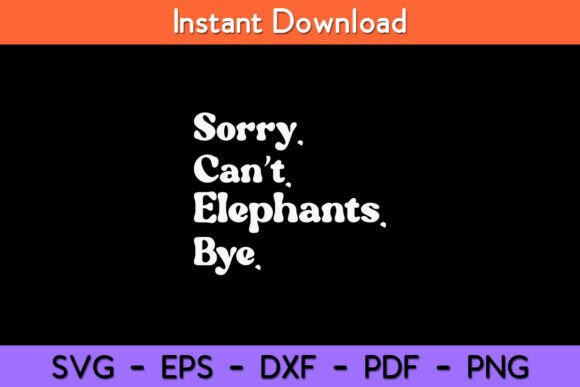
The mood this design sets is immediately clear: playful, slightly sassy, and universally relatable. The phrase "Sorry Can't Elephant Bye" relies on a pun that works well for casual wear and lighthearted gifts. Visually, the layout balances the text with the elephant illustration in a way that feels cohesive rather than cluttered. For an Etsy seller or a small shop owner looking to add character to their inventory, this kind of visual personality is crucial. It moves beyond basic decoration into the realm of conversation starters.
When evaluating the shape and detail level, I noticed that the lines are bold enough to translate well from a digital screen to fabric. However, because this originates as an SVG design, the transition to an embroidery file requires careful digitizing. The curves of the elephant and the lettering need to be converted into appropriate stitch types. If you plan to use this for custom apparel, you must ensure that the final digitized version uses a mix of satin stitch for outlines and fill stitch for larger areas to maintain definition without creating a stiff, plastic-like feel.
A Real-World Scenario: The Custom Tote Bag Project
To truly test the viability of Sorry Can’t Elephant Bye Funny Elephant, I imagined a specific client request. A local boutique owner wanted to create a line of eco-friendly tote bags for a summer craft fair. She needed something fun that would appeal to young adults and parents alike. I decided to map out how this design would perform on a heavy cotton canvas tote bag.
In this scenario, the tote bag design needs to be large enough to be seen from a distance but not so large that it distorts when the bag is filled with groceries. The elephant graphic provides a central focal point, while the text wraps around or sits below it. Because canvas has a distinct fabric texture, the stitch density becomes a major factor. If the density is too low, the stitches will sink into the weave, making the design look muddy. If it is too high, the fabric might pucker. For a project like this, using a strong tear-away stabilizer underneath is non-negotiable. The goal is to make the finished product look professional, ensuring the customer perceives high value in the handmade product.
Expanding the Use Cases
While the tote bag is a perfect fit, the versatility of this design extends further. Imagine it as sweatshirt embroidery on the back of a hoodie for a friend going through a busy season. The message resonates perfectly with the stress of modern life. Alternatively, consider baby embroidery on a onesie; the cute elephant motif softens the sassy text, making it an adorable personalized gift for a baby shower. Even as an embroidered patch sewn onto a denim jacket, the design holds up well, provided the edges are finished cleanly.
For those running a craft business, this design fits seamlessly into holiday collections. Think of it as holiday embroidery for Christmas stockings or as a unique twist on Valentine's Day cards where the "bye" implies a humorous break from romance. The key is to pair the design with the right color palette. Bright yellows or teals against dark fabrics can make the design pop, while pastels work beautifully on light backgrounds.
Navigating Technical Challenges
Despite its charm, Sorry Can’t Elephant Bye Funny Elephant presents challenges that require attention to detail. One area of concern is the placement on curved surfaces, such as caps or hats. The text runs horizontally, which can distort if placed directly over the crown of a cap without proper adjustment. In these cases, breaking the design into smaller segments or reorienting the layout might be necessary to maintain readability.
Another critical consideration is the use of thin or stretchy fabrics. If you attempt to embroider this design on a lightweight t-shirt or jersey material, the tension of the needle can cause the fabric to warp. The weight of the thread, especially in dense fill areas, can pull the fabric unevenly. To mitigate this, always use a cut-away stabilizer for stretchy materials and test the design on scrap fabric first. This step is vital for any commercial embroidery project to avoid ruining expensive inventory.
Furthermore, the size of the hoop matters significantly. If your machine only supports a small hoop size, you may need to scale down the design. Be cautious here; shrinking the design too much can turn the lettering into illegible blobs. The tiny details in the elephant's ears or trunk could get lost if the stitch count is reduced excessively. Always review the digital embroidery file at 100% zoom to inspect small details before committing to a full run.
Design Integrity and Business Value
From a business perspective, the quality of the stitching directly impacts customer trust and brand consistency. A poorly executed design can make even the most creative concept look amateurish. When selling small shop products online, customers rely on photos to judge quality. Using printable mockup tools to visualize how the design looks on different garments before production can save time and money. Ensure that the thread colors you select offer sufficient contrast against the fabric background. A dark gray thread on a black shirt, for example, will disappear, rendering the design useless.
Additionally, consider the longevity of the product. Items like kitchen towels or aprons undergo frequent washing. High-density stitching can crack or peel over time if not done correctly. Ensuring that the running stitch and fill stitch settings are optimized for durability is essential for items that will see regular use. This attention to detail enhances the giftability of the item and encourages repeat business.
Practical Notes for the Designer
Before integrating Sorry Can’t Elephant Bye Funny Elephant into your workflow, follow these practical steps:
- Test on Scrap Fabric: Never skip the test run. Check for puckering, skipped stitches, or registration issues.
- Verify Licensing: Since this is an instant download, confirm whether the license allows for commercial use of the finished goods. Some design assets are restricted to personal use only.
- Check File Formats: While the source is an SVG, ensure you have the correct embroidery file format (such as .PES, .DST, or .JEF) compatible with your specific machine.
- Stabilizer Selection: Match the stabilizer type to the fabric weight. Heavy canvas needs heavy support; delicate silk needs lightweight mesh.
- Color Contrast: Plan your thread colors carefully to ensure the text remains legible from a distance.
Ultimately, Sorry Can’t Elephant Bye Funny Elephant is a delightful addition to any designer's library, provided it is treated with the technical respect it deserves. It offers a perfect blend of humor and artistry that can elevate a standard garment into a standout piece. Whether you are a hobbyist creating a one-off gift or a professional decorator scaling up for a craft business, this design has the potential to deliver excellent results. By paying attention to the nuances of stitch density, fabric choice, and stabilization, you can ensure that every finished product reflects the quality and creativity your brand stands for.