Sheep Stained Glass Sublimation Design Review
As a designer who has spent years navigating the intersection of digital graphics and physical textiles, I approach every new asset with a critical eye. The market is flooded with generic patterns, so finding a piece like the Sheep Stained Glass Sublimation Design that actually holds up under scrutiny is refreshing. While the title explicitly mentions sublimation, the aesthetic potential for this graphic extends far beyond simple heat transfer. For those of us in the craft business, understanding how a Graphics file translates into a tangible product is the difference between a bestseller and a return.
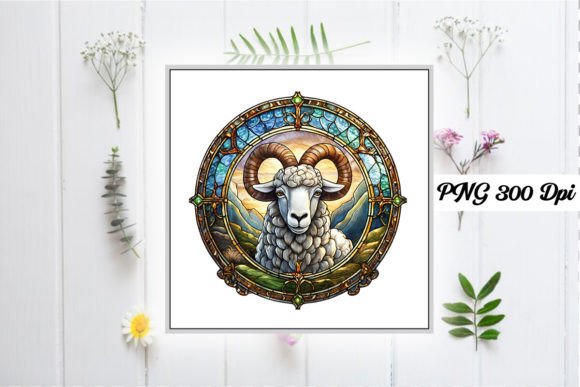
When I first opened the Sheep Stained Glass Sublimation Design file, the visual impact was immediate. The concept blends the rustic charm of a sheep with the vibrant, segmented look of stained glass. It creates a mood that is simultaneously whimsical and sophisticated. The layout is balanced, sitting comfortably within its 6-inch by 6-inch canvas. This square format is a practical gift for designers working on tote bags, pillow covers, or even the front of a heavy cotton sweatshirt. The detail level is high enough to be interesting but not so dense that it risks losing definition when scaled down.
From Digital File to Physical Product
The real test of any design asset is how it performs in a real-life scenario. Imagine you are preparing a custom embroidered tote bag for a local boutique or a personalized gift for a baby shower. You need something that feels handmade yet professional. If we were to adapt the visual language of the Sheep Stained Glass Sublimation Design into a machine embroidery design, the segmented "glass" panels offer a unique opportunity for creative stitching.
In a standard embroidery project, these segments could be filled with different thread colors using a tight fill stitch, while the black outlines mimicking the lead lines of stained glass would be perfect candidates for a crisp satin stitch. This combination adds texture and depth that a flat print simply cannot achieve. For an Etsy seller or a small shop owner, this textural contrast elevates the perceived value of the finished product. Customers can see the craftsmanship; they can feel the raised stitches. It transforms a simple sheep motif into a statement piece suitable for holiday embroidery or nursery decor.
However, we must address the medium. Since the provided file is a PNG intended for printing, using it directly as an embroidery file requires conversion. If you are a digital product seller offering mockups, the high resolution (300 dpi) ensures your printable mockup looks sharp. But if you intend to stitch this, you will need to digitize the image carefully. The clean lines of the stained glass effect are forgiving, but the curves of the sheep's wool require smooth vector paths to avoid jagged edges in the final stitch count.
Navigating Fabric and Hoop Constraints
Not all projects are created equal, and the Sheep Stained Glass Sublimation Design demands respect for material limitations. When planning a commercial embroidery project, consider the fabric texture. On a thick, textured fabric like a heavy wool blanket or a coarse canvas apron, the fine details of the stained glass windows might get lost. The stabilizer becomes crucial here; without proper backing, the intricate lines could pucker or shift.
Furthermore, think about the hoop size. The original 6x6 inch dimension is generous, but if you are trying to fit this onto a cap or a curved surface, you will face challenges. Curved surfaces distort designs, and the geometric nature of the stained glass style relies on straight, precise lines. Distortion here would ruin the illusion of glass panes. For a cap, you might need to resize significantly, which risks making the individual "glass" pieces too small to stitch effectively. In such cases, simplifying the design or focusing only on the central sheep silhouette might be the smarter move for an embroidered patch.
Dark fabrics present another consideration. The stained glass aesthetic relies heavily on color contrast. If you apply this to a black sweatshirt, the dark outlines of the design may disappear unless you use a light-colored thread for the borders. Always test your thread colors against the background before committing to a full run. A quick swatch on scrap fabric can save hours of rework and wasted materials.
Strategic Use for Craft Businesses
For the creative entrepreneur, the versatility of the Sheep Stained Glass Sublimation Design opens several revenue streams. Beyond direct application on apparel, this asset works beautifully as a digital download for other makers. If you sell digital products, you can offer this as part of a bundle for DIY enthusiasts who want to create their own personalized gifts. The transparent background makes it easy to layer over various mockups, allowing customers to visualize the design on their specific items.
In the realm of custom apparel, this design fits perfectly into seasonal collections. Think winter holidays, Easter, or spring-themed collections where a sheep motif is relevant. The stained glass treatment gives it a vintage, artisanal feel that appeals to buyers looking for unique, non-mass-produced items. It signals quality. When a customer sees a tote bag with this level of detail, whether printed or stitched, they perceive the brand as thoughtful and established.
However, caution is advised regarding licensing. Before selling any finished item featuring this design, confirm the terms of use. Some Crafts licenses allow for personal use only, while others permit commercial sales of a limited number of items. As a professional, protecting your business from legal issues is just as important as the design itself. Ensure you have the right to use the Sheep Stained Glass Sublimation Design for the volume of products you plan to create.
Practical Designer Notes for Success
To get the most out of this asset, follow these practical steps:
- Test First: Always run a test on scrap fabric. Check the stitch density if converting to embroidery, or check color vibrancy if sublimating.
- Check Contrast: Ensure the "lead lines" of the stained glass stand out against your chosen fabric or shirt color.
- Verify Dimensions: Remember the base size is 6x6 inches. Scale carefully to maintain the integrity of the small glass panes.
- Stabilizer Matters: For embroidery conversions, use a strong cutaway stabilizer to support the detailed fill areas.
- Mockup Variations: Create both light and dark background mockups to show potential buyers how the design adapts.
The Sheep Stained Glass Sublimation Design is more than just a cute picture; it is a tool for storytelling in your craft business. Whether you are creating a one-of-a-kind baby embroidery piece or stocking a boutique with holiday merchandise, the key lies in how well you adapt the digital art to the physical world. By respecting the material, testing your process, and understanding the visual weight of the design, you can turn this graphic into a profitable and beautiful addition to your portfolio. It is a solid asset for anyone serious about elevating their handmade presentation.