All I Want for Christmas is a SVG Design Review
As a designer who has spent years translating digital files into tangible thread on fabric, I approach every new asset with a critical eye. When I first opened the file for All I Want for Christmas is a SVG Design, my immediate goal was to determine if it could survive the transition from screen to stitch. In the world of machine embroidery, a beautiful graphic often hides structural weaknesses that only reveal themselves under tension. This review breaks down how this specific design holds up in real-world scenarios, moving beyond the marketing fluff to discuss actual stitching performance.
First Impressions: Visual Weight and Holiday Mood
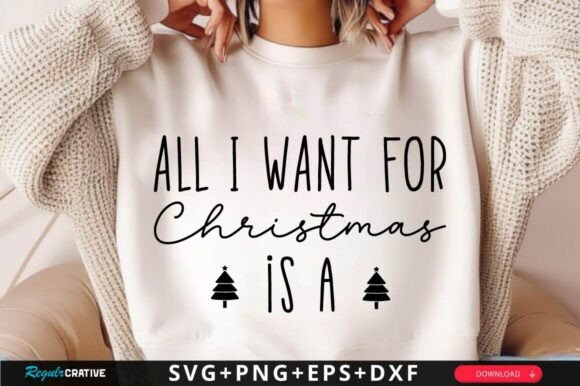
The initial visual impact of All I Want for Christmas is a SVG Design is warm and inviting. It captures the nostalgic sentiment of the holiday season without feeling cluttered. For those working in the Crafts category, the layout suggests a balance between text and imagery that is crucial for legibility. However, as a reviewer, I immediately assessed the line weights and corner radii. In Graphics intended for apparel, sharp angles can sometimes cause puckering or thread breakage during the satin stitch phase. The curves here appear smooth, which is a positive indicator for a clean finished product.
The mood it creates is perfect for personalized gifts. It feels less like a generic clip art and more like a cohesive brand element for a small shop. If you are an Etsy seller looking to expand your holiday catalog, this design offers a distinct personality that stands out against the sea of red and green clichés. Yet, before committing to a production run, one must consider how the design interacts with different fabric textures.
Real-World Application: From Tote Bags to Sweatshirts
Let's imagine a practical scenario: preparing a custom embroidered tote bag for a local craft fair. Tote bags are often made of canvas, a sturdy but textured material. When I visualize All I Want for Christmas is a SVG Design on a natural cotton tote, the contrast works beautifully. The design seems robust enough to handle the density required for a fill stitch on heavier fabrics without sinking into the weave.
Now, consider a sweatshirt. Fleece and French terry are stretchy and prone to distortion. Here, the design becomes a test of stabilizer choice. Because the layout includes both text and graphical elements, the hoop size becomes a critical factor. If the design spans too wide, the fabric may stretch unevenly during the embroidery process, warping the final shape. For sweatshirt embroidery, I would recommend testing this on a scrap piece of fleece first to ensure the stitch density doesn't create a stiff patch that feels uncomfortable against the skin.
This design also shines in the realm of embroidered patches. The defined edges suggest it could be cut out and applied to denim jackets or backpacks, adding a high-value touch to custom apparel. For baby embroidery, however, caution is needed. The texture of the stitches must be soft, and the design should not have any protruding loops that could irritate sensitive skin. A running stitch border might be preferable here over a dense satin edge.
Strategic Placement and Fabric Choices
- Dark Fabrics: On black or navy backgrounds, the design requires careful thread colors selection. Lighter threads will pop, but ensure the background fill is dense enough to hide the dark fabric underneath.
- Textured Surfaces: Knits and wovens react differently. Always check the grain of the fabric before hooping to prevent the design from twisting.
- Curved Surfaces: While great for flat items, using this on caps requires a specialized cap frame. The curvature can distort the text if the digitizing isn't optimized for 3D surfaces.
Technical Considerations for Professional Results
When converting a digital embroidery file into a physical item, technical precision is non-negotiable. Although the source description highlights its use for t-shirts and gifts, it does not specify exact stitch counts or compatible formats. As a professional, I advise verifying these details before purchasing. A low stitch count might result in gaps, while an excessively high count can lead to long production times and potential thread jams.
One of the most common pitfalls with holiday designs is the temptation to rush. With All I Want for Christmas is a SVG Design, take the time to test it on scrap fabric. Check the hoop size requirements against your machine's capabilities. If the design is larger than your hoop, you will need to split it, which risks misalignment. Misaligned text can ruin the professionalism of a handmade product instantly.
Furthermore, consider the stabilizer. For a t-shirt design, a tear-away stabilizer might suffice, but for items that will undergo frequent washing, like kitchen towels or aprons, a cut-away stabilizer provides better longevity. The durability of the finished product directly impacts customer trust. If the stitches begin to pull after a few washes, the perceived value of your brand drops significantly.
Commercial Viability and Brand Consistency
For small business owners and creative entrepreneurs, consistency is key. Using All I Want for Christmas is a SVG Design across multiple product lines—such as matching pillow covers, tea towels, and ornaments—can create a cohesive holiday collection. This uniformity helps in building brand recognition. However, always confirm the licensing terms. Can you sell the finished items? Can you resell the digital file? Understanding these boundaries protects your craft business from legal issues.
In terms of customer engagement, this design has strong appeal. It speaks directly to the emotional core of the holiday season. When presented as a personalized gift, such as a monogrammed sweater or a family name banner, it adds a layer of exclusivity. The visual clarity of the design ensures that even from a distance, the message is clear, which is vital for Etsy listings where thumbnail images drive clicks.
Final Designer Notes
- Test First: Never skip the test run on the actual fabric you intend to use.
- Color Contrast: Ensure the thread colors stand out against the base material to maintain readability.
- Density Check: Inspect the back of the test stitch to ensure there are no excessive knots or loose threads.
- Mockups: Use printable mockups to preview how the design looks on various products before investing in materials.
- Licensing: Verify commercial rights to protect your investment in commercial embroidery projects.
Ultimately, All I Want for Christmas is a SVG Design offers a solid foundation for holiday crafting. It balances aesthetic charm with functional potential, provided the user applies proper embroidery techniques. Whether you are creating a single personalized gift for a friend or launching a full line of holiday embroidery merchandise, success lies in the execution. By respecting the mechanics of the machine and the nature of the fabric, this design can become a standout asset in your portfolio.